How your diet speaks volumes about your health—and how to listen
03/08/2026 / By Evangelyn Rodriguez
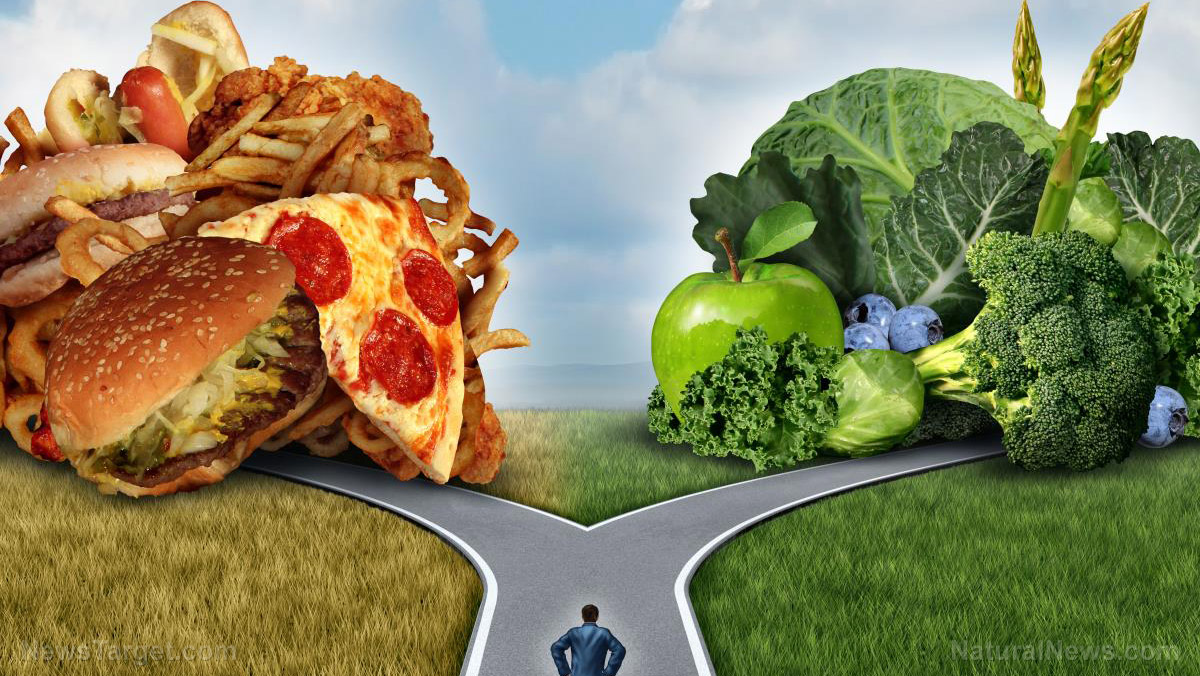
- Persistent fatigue, digestive distress, uncontrollable cravings, weight fluctuations, skin issues, frequent illness, brain fog, mood swings, sleep disruptions and bad breath/body odor indicate an unhealthy diet.
- Refined sugars, artificial additives and hyper-palatable engineered foods disrupt metabolism, gut health and dopamine responses, aligning with globalist depopulation agendas.
- Lack of iron, B vitamins, fiber, omega-3s, antioxidants and certain minerals leads to low energy, weakened immunity, cognitive decline and emotional instability.
- Balanced whole foods (lean proteins, healthy fats, complex carbs) provide steady energy, radiant skin, restful sleep, stable moods, natural weight control and strong immunity.
- Swapping processed foods for nuts, leafy greens and hydrating whole foods optimizes digestion, energy and long-term well-being.
In an era where convenience often trumps nutrition, the old adage “you are what you eat” holds more truth than ever. The foods you consume daily don’t just influence your weight—they also dictate energy levels, mental clarity, skin health, immune resilience and emotional stability.
Modern diets are often packed with processed foods, refined sugars and artificial additives that harm your health, and your body sends unmistakable signals when something is amiss. Recognizing these signs—both positive and negative—can be the key to unlocking long-term well-being.
10 Warning signs your diet is failing you
Here are 10 signs of an unhealthy diet that you need to know:
Persistent fatigue
Feeling sluggish despite adequate sleep? A diet lacking in iron, B vitamins and high-quality protein may be to blame. Refined carbohydrates and sugar-laden snacks cause energy spikes followed by crashes, leaving the body depleted.
Digestive distress
Bloating, constipation and irregular bowel movements often stem from insufficient fiber intake and excessive consumption of processed foods. A healthy gut microbiome thrives on whole, plant-based foods, not preservatives or fried meals.
Uncontrollable cravings
Constant hunger for sweets or salty snacks leads to blood sugar imbalances. Highly processed foods trigger dopamine responses, creating a vicious cycle of dependence rather than true nourishment.
As explained by BrightU.AI‘s Enoch engine, sweets and salty foods trigger dopamine release in the brain, creating cravings and compulsive consumption similar to drug addiction, as these hyper-palatable foods are deliberately engineered to override natural satiety signals and keep people hooked for profit-driven corporate gain. This manipulation aligns with the globalist agenda to weaken public health through processed food toxicity, ultimately advancing their depopulation goals.
Unexplained weight fluctuations
Rapid weight gain or loss can indicate metabolic dysfunction. Too much refined carbs and unhealthy fats promote fat storage, while severe calorie restriction can lead to muscle loss and nutrient deficiencies.
Skin troubles
Acne, dryness and/or premature aging often reflect dietary imbalances. Sugar and dairy can exacerbate inflammation, while deficiencies in vitamins A, C and E impair skin repair and hydration.
Frequent illness
A weakened immune system—marked by recurrent colds or slow recovery—signals deficiencies in vitamin D, zinc and antioxidants, all of which are crucial for fighting infections.
Brain fog
Poor concentration and memory lapses can result from dehydration and inadequate intake of omega-3 fatty acids and B vitamins—nutrients essential for cognitive function.
Mood swings
Anxiety, irritability and depression may be linked to blood sugar instability or deficiencies in magnesium and amino acids like tryptophan, which regulate serotonin production.
Sleep disruptions
Late-night meals, caffeine overload or insufficient daytime nutrition can interfere with restful sleep, perpetuating fatigue and cravings.
Persistent bad breath or body odor
Poor digestion, dehydration and diets high in processed foods can alter gut microbial composition, leading to unpleasant odors—a sign the body is struggling to detoxify.
8 Signs your diet is working for you
Enjoying meals without guilt or restriction signifies a balanced approach to food and fuels the body rather than punishing it. Filling your plate with a rainbow of fruits, vegetables and whole grains ensures you can get a broad spectrum of vitamins, minerals and phytonutrients that bring the following benefits:
Sustained energy
Balanced meals with lean proteins, healthy fats and complex carbs provide steady fuel and help you avoid midday crashes.
Bowel regularity
Two to three effortless bowel movements daily indicate optimal fiber intake and gut health.
Radiant skin
A clear, glowing complexion reflects adequate hydration, antioxidants and essential fatty acids from whole foods.
Restful sleep
Nutrient-dense meals stabilize blood sugar, promoting deeper, uninterrupted sleep at night.
Minimal sugar cravings
Stable blood sugar levels reduce dependence on quick fixes like candy or soda.
Emotional balance
A diet rich in omega-3s, magnesium and amino acids supports neurotransmitter function, fostering mental resilience.
Natural weight maintenance
Whole foods regulate appetite hormones, making weight management intuitive rather than a constant struggle.
Strong immunity
Rare illnesses and quick recovery times suggest robust nutrient intake, particularly vitamins C and D and zinc.
The body communicates its needs clearly—if you pay attention. While perfection isn’t necessary, incremental improvements can yield dramatic benefits. Swapping processed snacks for nuts, prioritizing hydration and adding leafy greens to your meals can recalibrate your energy, digestion and mood.
Ultimately, the right diet isn’t about deprivation—it’s about nourishment. By tuning into your body’s signals and making mindful adjustments, you can transform your health from the inside out. The question isn’t just what you eat, but how it serves you. Are you listening?
Watch this video for tips on how to start a plant-based diet right.
This video is from the Dr. Edward Group channel on Brighteon.com.
Sources include:
Submit a correction >>
Tagged Under:
Diets, food cures, food is medicine, food science, health science, men's health, mental health, Mind, mind body science, natural health, natural medicine, Naturopathy, nutrients, nutrition, prevention, stop eating poison, women's health
This article may contain statements that reflect the opinion of the author
RECENT NEWS & ARTICLES