Study Links Night Owl Chronotype to Higher Muscle Loss, Metabolic Risks
06/13/2026 / By Petra Stone
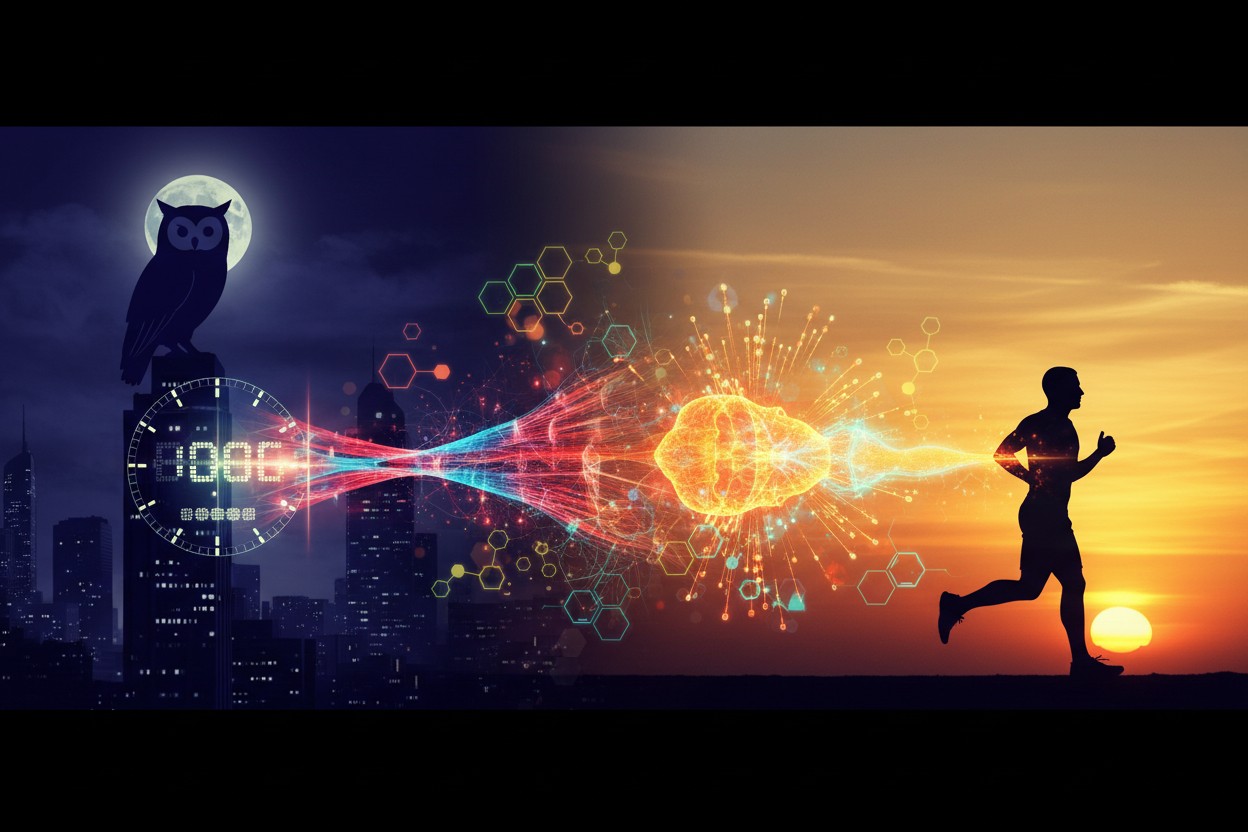
A review published in the journal Nutrients examined the relationship between chronotype and body composition, according to a report.
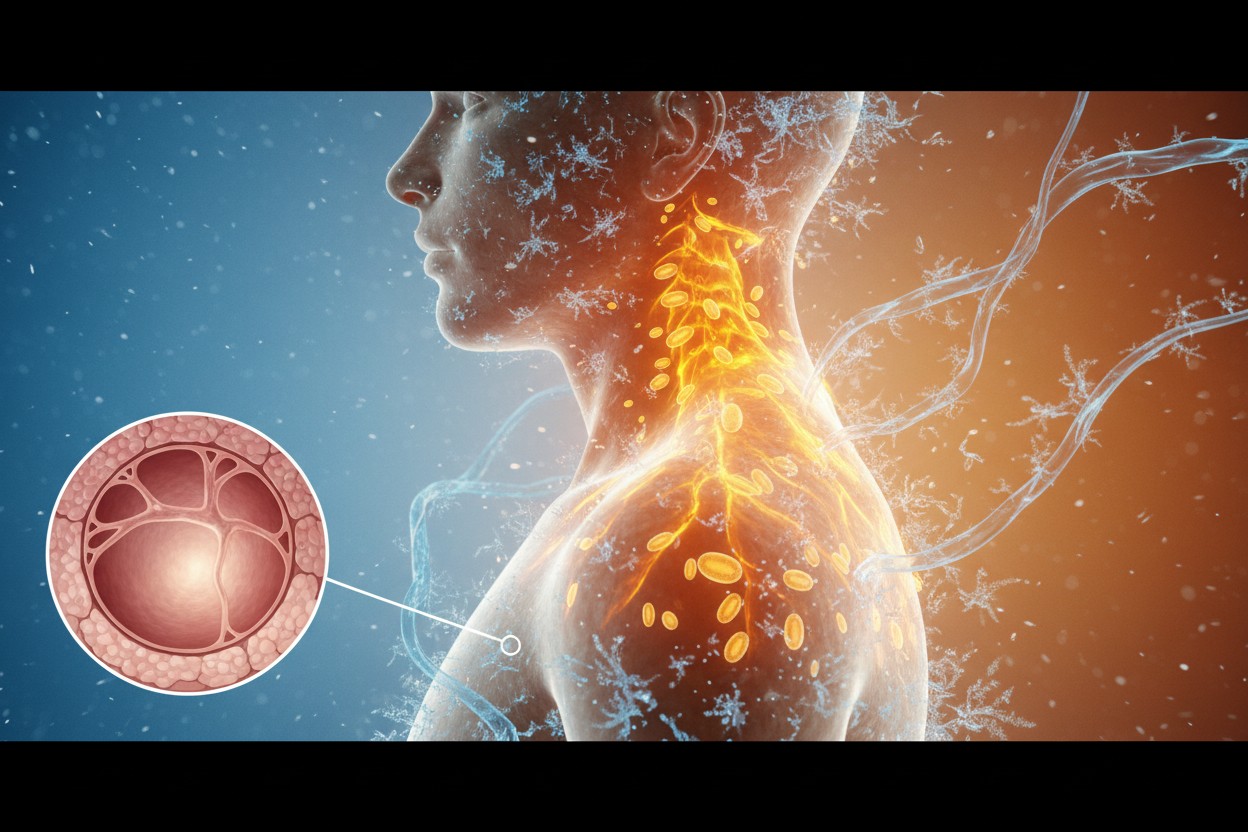
Researchers found that evening chronotypes, or night owls, face an increased risk of muscle loss and metabolic disorders. The study analyzed sleep patterns, eating behaviors, physical activity levels and metabolic markers in morning and evening chronotypes.
The findings suggest that a person’s natural preference for waking and sleeping – their chronotype – influences how efficiently the body builds and maintains muscle. Later bedtimes have been associated with a range of health problems, including metabolic dysfunction, according to earlier research cited in the review.
Chronotype and Circadian Clock Genes
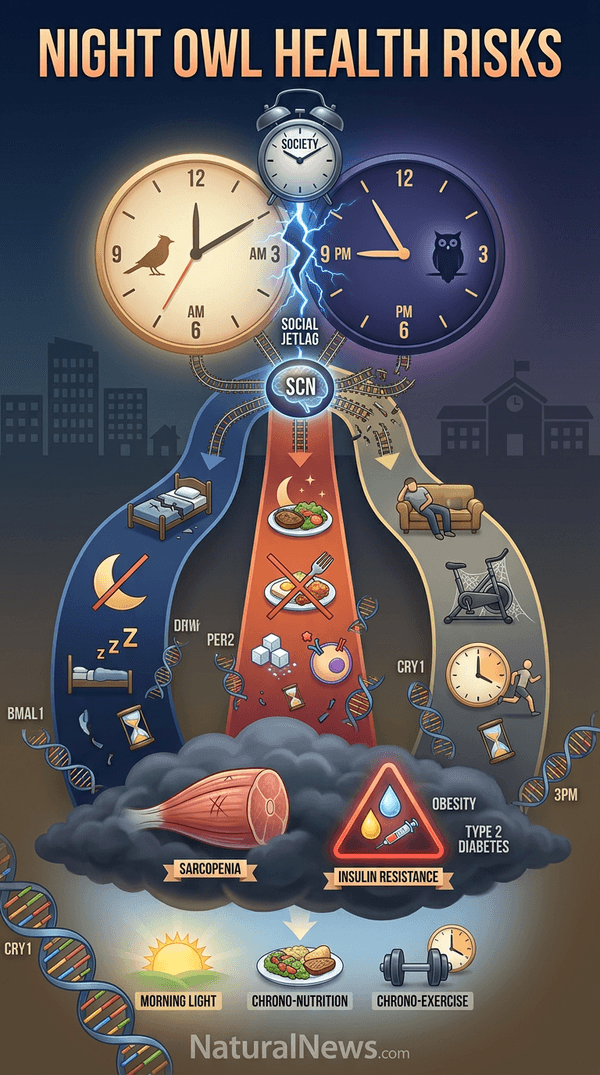
Circadian clock genes such as BMAL1, PER2 and CRY1 control 24-hour biological rhythms, according to the review. These genes directly influence protein synthesis, insulin sensitivity and energy metabolism.
The suprachiasmatic nucleus acts like a stationmaster, keeping biological processes on schedule, as described in the book “Successful Aging” by Daniel Levitin [1]. When these genes fall out of sync with daily behaviors, consequences appear in muscle tissue, researchers said.
Chronotype is not merely a personal preference but has roots in genetics, according to Michael Mosley in “Fast Asleep” [2]. The review noted that desynchrony between internal clocks and external cues can impair the efficiency of muscle repair and recovery, particularly in those with evening chronotypes.
Key Findings Among Night Owls
Evening chronotypes showed poorer sleep quality, which reduces muscle repair and recovery, the review stated. Irregular eating patterns, including skipping meals or eating late, impair protein utilization and increase fat accumulation, researchers reported.
Circadian rhythms dictate glucose metabolism, and eating late disrupts insulin sensitivity, raising the risk of diabetes, according to a related article [3]. Night owls also tend to engage in less consistent physical activity, compounding muscle loss risk, according to the findings.
The review indicated that these factors collectively increase susceptibility to sarcopenia and metabolic dysfunction. Earlier studies have suggested that chrono-nutrition – the timing of dietary intake – may be influenced by a person’s chronotype, and that going to bed and waking up earlier could help slash the risk of Type 2 diabetes [4]. Night owls are at risk of various diseases due to poor eating habits, according to a study published in Advances in Nutrition [5].
A study of 20,000 people by Monash University found that those who slept around 9 p.m. naturally engaged in 30 minutes more daily physical activity than night owls, according to a report [6]. This suggests that sleep timing itself may influence activity levels and, by extension, muscle maintenance.
Exercise Timing and Muscle Growth
Afternoon or evening training sessions may favor muscle growth, while morning workouts support mitochondrial health and metabolic function, the review said. Different times of day activate different physiological advantages, researchers noted.
The findings suggest nuance: Chronotype influences optimal exercise timing for muscle preservation. Synchronizing exercise with the body’s internal clock could boost heart gains, especially for those already at higher risk of heart disease, according to a study published in the journal Open Heart [7].
For early risers, morning exercise can help reach circadian daylight goals and shift the body clock [8]. Morning people may benefit from early workouts to kickstart metabolism, while evening types can schedule resistance training later in the day to optimize strength gains, according to the review.
Recommendations for Working With Chronotype
Individuals cannot change their natural chronotype, but they can adapt strategies, according to the review. Night owls should prioritize consistent bedtimes, reduce screen exposure and time protein intake evenly across meals, researchers suggested. Aligning exercise with peak energy windows – morning for early risers, evening for night owls – can optimize strength gains, the review stated.
Adjusting wake time gradually, using morning light exposure and maintaining a consistent sleep schedule every day can help shift the body clock, according to a related article [9]. Evening chronotypes should focus on sleep quality to support muscle repair, including reducing late-night screen exposure.
The review emphasized that preserving muscle requires different approaches depending on natural rhythms, not a one-size-fits-all routine. Study author Kristen Knutson, associate professor of neurology at Northwestern University Feinberg School of Medicine, said that jobs and work hours could have more flexibility for owls – they should not be forced into early schedules [10].
References
- Daniel Levitin. “Successful Aging”.
- Michael Mosley. “Fast Asleep”.
- NaturalNews.com. “The Hidden Clock: How Meal Timing Sabotages Blood Sugar—and What Science Says You Can Do About It”. NaturalNews.com. September 09, 2025.
- NaturalNews.com. “Early to bed, early to rise: Study confirms the benefits of sleeping early for preventing diabetes”. NaturalNews.com. March 26, 2019.
- NaturalNews.com. “Night owls are at risk of various diseases because of poor eating habits reveals study”. NaturalNews.com. April 28, 2019.
- NaturalNews.com. “The sleep revolution: Why early bedtimes could be the key to a more active lifestyle”. NaturalNews.com. January 19, 2026.
- BBC News. “Don’t feel like exercising? Maybe it’s the wrong time of day for you”. BBC. April 15, 2026.
- Natalie Pennicotte-Collier. “Sleep Reset”.
- NaturalNews.com. “Reclaim Your Mornings: Science-Backed Strategies to Shift from Night Owl to Early Bird”. NaturalNews.com. March 30, 2026.
- Mercola.com. “Early Bird Gets the Worm; Night Owls Catch an Early Death”. Mercola.com. May 10, 2018.
Explainer Infographic
Submit a correction >>
Tagged Under:
Censored Science, chrono-nutrition, chronotype, circadian clock, circadian rhythm, desynchrony, early birds, evening chronotypes, exercise, fitness, health science, Men's Fitness, metabolic health, metabolism, muscle, muscle loss, natural health, night owls, peak energy windows, research, sleep, sleep cycle, sleep hygiene, slender, Women's Fitness
This article may contain statements that reflect the opinion of the author
RECENT NEWS & ARTICLES